Call for Abstracts
Second SSCI Annual Combustion Meeting
The Singapore Section of the Combustion Institute (SSCI) is delighted to announce the 2nd SSCI Annual Combustion Meeting, to be held on 16 November 2026 at Level 2 Theatrette, CREATE Tower, 1 Create Way, Singapore, 138602.
Following the highly successful inaugural meeting, the second annual meeting will serve as a forum for researchers, practitioners, and students from academia, industry, and government to present recent advances in combustion research, exchange ideas, and establish new collaborations. Under the theme “Future Combustion: Science, Innovation and Sustainability”, the program will feature technical oral presentations together with a poster session showcasing emerging research and innovations.
Topics of Interest
We invite the submission of abstracts for consideration for oral or poster presentations in all areas of combustion science, including but not limited to:
- Fundamental Combustion Science — chemical kinetics, flame dynamics, turbulent combustion, combustion instabilities, diagnostics
- Advanced Combustion Technologies — engines, gas turbines, industrial combustion, propulsion systems, novel combustion concepts
- Sustainable and Low-Carbon Combustion — hydrogen, ammonia, sustainable aviation fuels, bio-fuels, e-fuels, carbon-neutral combustion
- Combustion Modelling, Simulation, and Control — CFD, reacting flow modelling, combustion control, AI/data-driven methods, digital twins
- Emissions, Fire, and Energy Systems — pollutant formation and mitigation, fire safety, battery fires, carbon capture, integrated energy systems
Presentation Instructions
Oral Presentations
- We recommend using a 16:9 aspect ratio for your presentation slides (PPT or PDF).
Poster Presentations
- The required poster size is A0.
- The organizers will handle poster printing. Please send the PDF version of your poster to ssci.combustion@gmail.com.
Guest of Honour and Opening Speaker

Mr. John Chen
The Advanced Energy and Decarbonisation Office (AEDO)
John Chen leads AEDO’s R&D team, which assesses R&D proposals in the TRL 1–6 range for funding and actively manages funded projects to ensure they deliver technical progress with clear pathways to scale and commercialisation. He also oversees partnership-building efforts across industry, from local facility owners and equipment manufacturers to startups and venture capitalists.
John concurrently serves on the Boards of the Centre for Hydrogen and Carbon Innovations (CHCI), Energy Research Institute at NTU (ERI@N), and Solar Energy Research Institute of Singapore (SERIS).
Prior to AEDO, John spent over a decade in policy roles at METI, most recently at the intersection of climate and economic policy. He holds a Chemical Engineering degree from the National University of Singapore and an MBA from Nanyang Technological University.
Invited Speakers
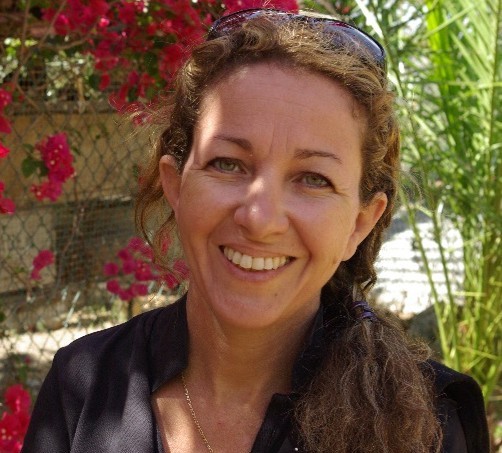
Dr. Nabiha Chaumeix
CNRS-Ingénierie, ICARE
H2 explosion risk assessment: State of Knowledge and Database from Nuclear Community
A key priority in global hydrogen deployment strategies is the development and scaling of carbon-free hydrogen production pathways. Among the leading technologies being pursued, water electrolysis stands out as a cornerstone for achieving deep decarbonization of hydrogen production by 2050. Several electrolysis technologies exist, but alkaline and proton exchange membrane systems are currently the most mature, representing roughly 60% and 22% of the global market in 2023, respectively. Despite their promise, electrolysis systems are subject to specific safety challenges related to hydrogen leaks. The nuclear community has developed, over decades of research, a substantial knowledge spanning for ignition of slow flames to the generation of fast flames eventually leading to detonation, but also on mitigation methods, passive and active measures.
The present talk will focus on describing the key feature of hydrogen-explosion safety with an overview of the different combustion regimes and map the explosion hazard from subsonic to supersonic combustion and the impact on structures. Examples based on ICARE’s work on hydrogen safety assessment and mitigation methods will be given.
Dr. Nabiha CHAUMEIX, director of ICARE, a full-body CNRS laboratory, has a Ph.D. in mechanical engineering (University of Orléans, 1993). She was president of the Institute of Dynamics of Explosions and Reactive Systems (IDERS, 2017-2022) and deputy director of the French Research Network on Soot. Dr Chaumeix has over 25 years of experience in the flame dynamics, explosions safety and combustion chemical kinetics. The research developed by Dr Chaumeix is related to: (i) high temperature chemical kinetics using shock tubes and has devoted more than a decade in the study of soot formation from heavy fuels; (ii) the determination of the combustion fundamental properties such as flammability limits, laminar flame velocities, auto-ignition delay times, detonation characteristics (cell size, detonation speed, etc.) and the development of detailed chemical kinetics applicable to these phenomena; (iii) assessment of Safety explosion criteria with the detailed study of flame acceleration covering both subsonic and supersonic flames. The research is developed in the framework of National projects (ANR- HYDROMEL, MITHYGENE, IRSIS, SYTCOM, PHYSSA, PEPR-H2-ESKHYMO & AIDHY), European projects (SiA-TEAM, ARCHER, AMHYCO, FUN-PM, SASPAM-SA), International projects (EIG CONCERT-JAPAN 2021-STACY) and in several projects with different industries and institutions (TotalEnergies, IRSN, EDF, AREVA, Air Liquide, CNES, CEA, …etc.). She is a member of IEA TCP Task 43 "Safety and RCS of Large Scale Hydrogen Energy Applications" and of Task 44 " Hydrogen from Nuclear Energy".
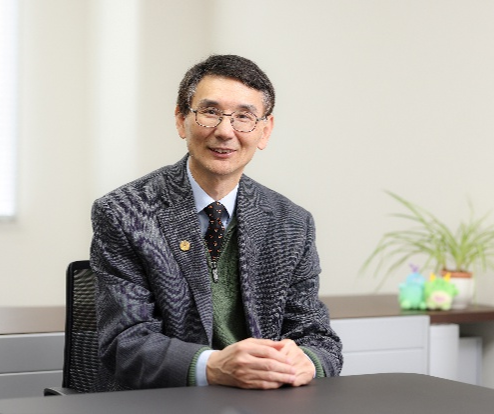
Prof. Yiguang Ju
Princeton University
Challenges and opportunities of ammonia combustion for power generation
Ammonia is a potential hydrogen carrier for power generation because of its higher energy density and easier storage and transportation. However, ammonia slips, high NOx/N2O emissions, and fast metal surface nitridation have made it challenging in direct applications to existing gas turbine and diesel engine applications.
In this lecture, we will first discuss the potential impact of ammonia combustion on emissions, climate, and metal surface nitridation. Then, we will present the results of NOx/N2O of high pressure (100 atm) low temperature oxidation. The three important low temperature ammonia oxidation kinetic pathways and its impact on warm flames and detonation transition will be presented.
After that, direct measurements of critical radicals such as NHx/HO2 in ammonia combustion using Faraday rotational spectroscopy and femtosecond laser absorption will be discussed. The data will be used to determine the rates of important elementary reactions such as HO2+NH2 and examine the metal surface nitridation mechanism.
Finally, a new concept of high pressure fully premixed turbulent jet stirred ammonia combustion will be presented. The potential of plasma assisted ammonia combustion for low NOx emissions will also be discussed.
Yiguang Ju is the Robert Porter Patterson Professor in Mechanical and Aerospace Engineering, Associated Faculty of Princeton Plasma Physics Laboratory, and is the Director of DOE Energy Earthshot Research Center (EERC) for plasma assisted hydrogen production.
Ju’s research interests include combustion, green fuels, plasma, and electrified manufacturing. Ju is a Fellow of The American Institute of Aeronautics and Astronautics (AIAA), The American Society of Mechanical Engineers (ASME), and The Combustion Institute.
He has received many awards such as the Friedrich Wilhelm Bessel Research Award from the Alexander von Humboldt Foundation, the AIAA propellant and combustion award, the Alfred C. Egerton Gold Medal from the Combustion Institute, the 2025 and 2026 R&D 100 Awards by R&D World magazine, and the international award from Tohoku University (2026).
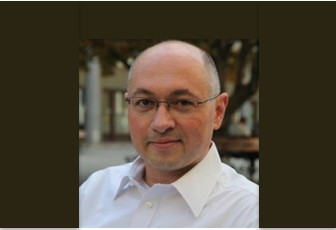
Prof. Markus Kraft
University of Cambridge / CARES
Molecules to Nanoparticles: Soot Inception Challenges in the Age of Alternative Fuels
Understanding soot inception, the self-assembly of gas-phase molecules into carbonaceous nanoparticles, remains a fundamental challenge in combustion science. Advances in mass spectrometry and atomic force microscopy reveal that simple physical dimerization of small aromatics is thermodynamically unviable at flame temperatures, rendering traditional kinetic models non-predictive. Instead, molecular growth proceeds via curved PAHs and large aromatic oligomers ("aromers") through physically stabilised soot inception, where localized radicals and reactive edges bridge physical and chemical routes.
Critically, the transition to alternative fuels does not eliminate this soot challenge. Co-firing hydrocarbons with low-carbon vectors like ammonia introduces complex chemical cross-talk, where partially cracked ammonia creates a non-linear competition between ammonia-driven soot inhibition and hydrogen-driven soot promotion alongside a distinct soot trade-off. Capturing these competing pathways within unified, physically stabilised inception frameworks represents a vital frontier for predictive modelling in future net-zero combustors.
Professor Kraft FREng leads the Computational Modelling Group at the Department of Chemical Engineering and Biotechnology. His research spans the computational modelling and optimisation of particle formation processes, with particular expertise in the combustion synthesis of organic and inorganic nanoparticles. Drawing on stochastic and deterministic methods, the group develops detailed mechanistic models that capture the complex physical and chemical processes governing particle nucleation, growth, and aggregation. This work has yielded significant advances in the understanding of soot formation, titania synthesis, and silicon nanoparticle production, with applications across the automotive, power, and chemical industries.
He co-edited the book "Intelligent Decarbonisation", which comprehensively assesses the current and future impact of digital technologies and artificial intelligence on the decarbonisation of key economic sectors. He is a Fellow of Churchill College and a Professor in the Department of Chemical Engineering and Biotechnology at the University of Cambridge. Until the beginning of 2025 he was the founding Director of the Cambridge Centre for Advanced Research and Education in Singapore (CARES), the University of Cambridge's first overseas research centre, based at CREATE. In 2025 Prof. Kraft is a visiting Professor in the Department of Chemical Engineering at MIT. He is an elected Fellow of the Royal Academy of Engineering.
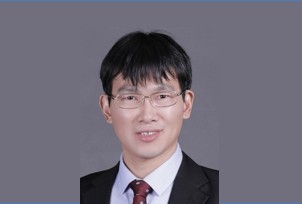
Prof. Zheng Chen
Peking University
Detonation Propagation in Non-Uniform Mixtures
Understanding detonation propagation in non-uniform mixtures is essential for rotating detonation engines, hypersonic propulsion, and explosion safety. This talk explores the dynamics and critical conditions governing detonation propagation in spatially inhomogeneous reactive mixtures. Recent advances are presented, with a focus on thermal stratification, inert layers, and multi-dimensional mixture non-uniformity. The effects of non-uniformity on detonation initiation, quenching, reinitiation, propagation speed, and cellular structure are examined.
In hypersonic reactive flows, thermal stratification can produce autoignition-driven reaction fronts, oblique detonation waves, or decoupled shock/reaction fronts, depending on the temperature gradient. For detonation across inert layers, successful reinitiation occurs only below a critical layer thickness; and transverse shock interactions induce local autoignition/explosion and overdriven detonation. Besides, a double cellular structure is observed for relatively large spacing between inert layers. The formation of double cellular structure is interpreted.
Dr. Zheng Chen is currently a Bo-Ya Distinguished Professor at Peking University. He received his bachelor’s and master’s degrees from Tsinghua University and his Ph.D. from Princeton University. His research focuses on flame dynamics in fundamental combustion processes. By combining theoretical analysis, numerical simulation, and experimental measurement, he has worked on challenging problems in ignition theory, accurate laminar flame speed measurement, deflagration-to-detonation transition, and detonation engines.
He was awarded the Hiroshi Tsuji Early Career Researcher Award from the Combustion Institute. He received the Distinguished Paper Award at the 39th International Symposium on Combustion and delivered a plenary lecture at the 41st International Symposium on Combustion. He is a Fellow of the Combustion Institute and currently serves on its Board of Directors. He is an associate editor of Combustion and Flame.
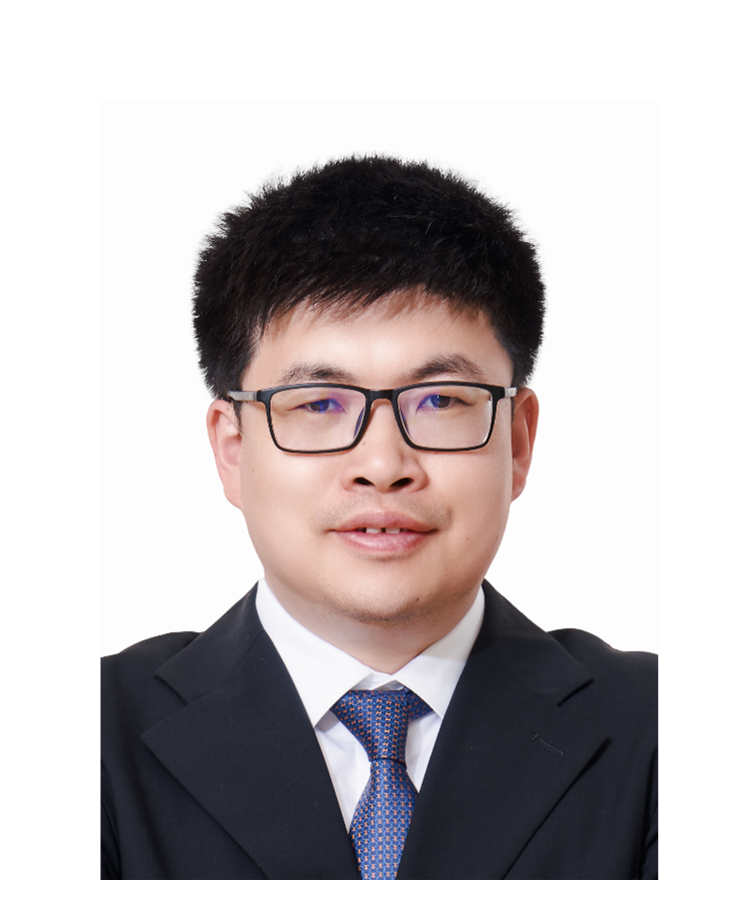
Prof. Dong Han
Shanghai Jiao Tong University
Combustion Fundamentals and Engine Combustion Technologies for Zero-carbon Fuels
This speech focuses on the combustion fundamentals and combustion technologies of zero-carbon ammonia fuel in compression-ignition engines. Combustion reaction kinetics model for binary fuels with high ammonia proportions was developed, enabling high-accuracy prediction of the fundamental combustion characteristics of ammonia fuel and engine combustion processes. Combustion control methods for ammonia-fueled engines based on the coordinated control of fuel reactivity and ignition strategy was proposed, providing a technical guidance for the efficient and stable operation of ammonia-fueled engines.
Dong Han is professor at Shanghai Jiao Tong University, and he also serves as vice dean of College of Smart Energy there. He is engaged in engine combustion and emissions control technology, and combustion theory and technology of low-carbon/zero-carbon fuels.
He has published 160 peer-reviewed journal papers and been granted 12 invention patents in China. He received the First Prize for Natural Science from the Chinese Society for Internal Combustion Engines. He serves as editorial board members of international journals in combustion and energy field, such as Applied Thermal Engineering and Engineering Energy.
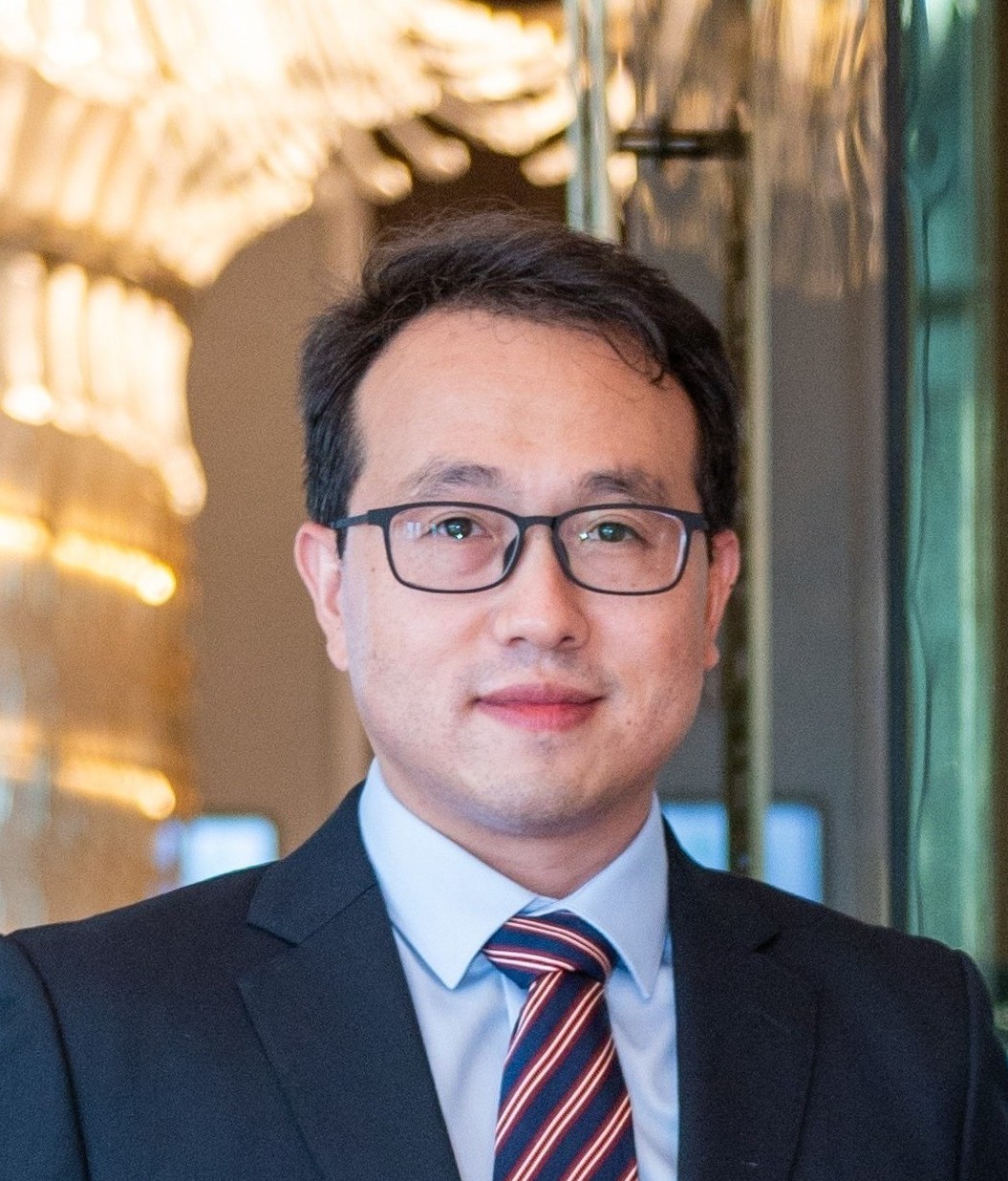
Mr. Huang Hongdou
Baker Hughes
From Combustion Innovation to Commercial Deployment: Market Perspectives on Hydrogen and Ammonia Gas Turbines
As global industries and power systems pursue net-zero ambitions, hydrogen and ammonia are emerging as important fuels for the future of power generation. Significant progress has been made in combustion technologies, enabling higher hydrogen blending ratios and reducing overall emissions. However, the pace of market adoption will ultimately depend on economics, infrastructure readiness, policy support, and evolving customer requirements.
This presentation will provide a brief industry perspective on the commercialization of hydrogen and ammonia gas turbines, drawing on market developments across power generation, industrial energy applications, and emerging hydrogen value chains. It will explore priority market segments, key adoption drivers, customer expectations, deployment challenges, and the role of gas turbine technology in enabling a practical and scalable energy transition. The presentation will also highlight lessons learned from early demonstration and commercial projects, and provide an outlook on how industry stakeholders can bridge the gap between technology readiness and large-scale commercial implementation.
Huang Hongdou is Senior Advisor for Hydrogen Market Development & Solution Architecture at Baker Hughes, where he leads strategic partnerships, commercial initiatives, and market development efforts to advance hydrogen solutions across the Asia-Pacific region.
With over 17 years of experience in the energy, power generation, and infrastructure sectors, Hongdou has built a career at the intersection of technology, commercialization, and business strategy. Since joining Baker Hughes in 2019, he has supported the growth of NovaLT gas turbine power solutions before moving into his current hydrogen-focused role supporting the energy transition. Prior to Baker Hughes, Hongdou held strategy and business development positions with leading OEM, EPC, IPP, and infrastructure organizations, including PW Power Systems (MHI), Abengoa, and Keppel Infrastructure. His experience working with government agencies, utilities, and financial institutions across Asia-Pacific provides him with a practical commercial perspective on hydrogen deployment and decarbonization.
He holds a degree in Environmental Science and Engineering from the National University of Singapore.
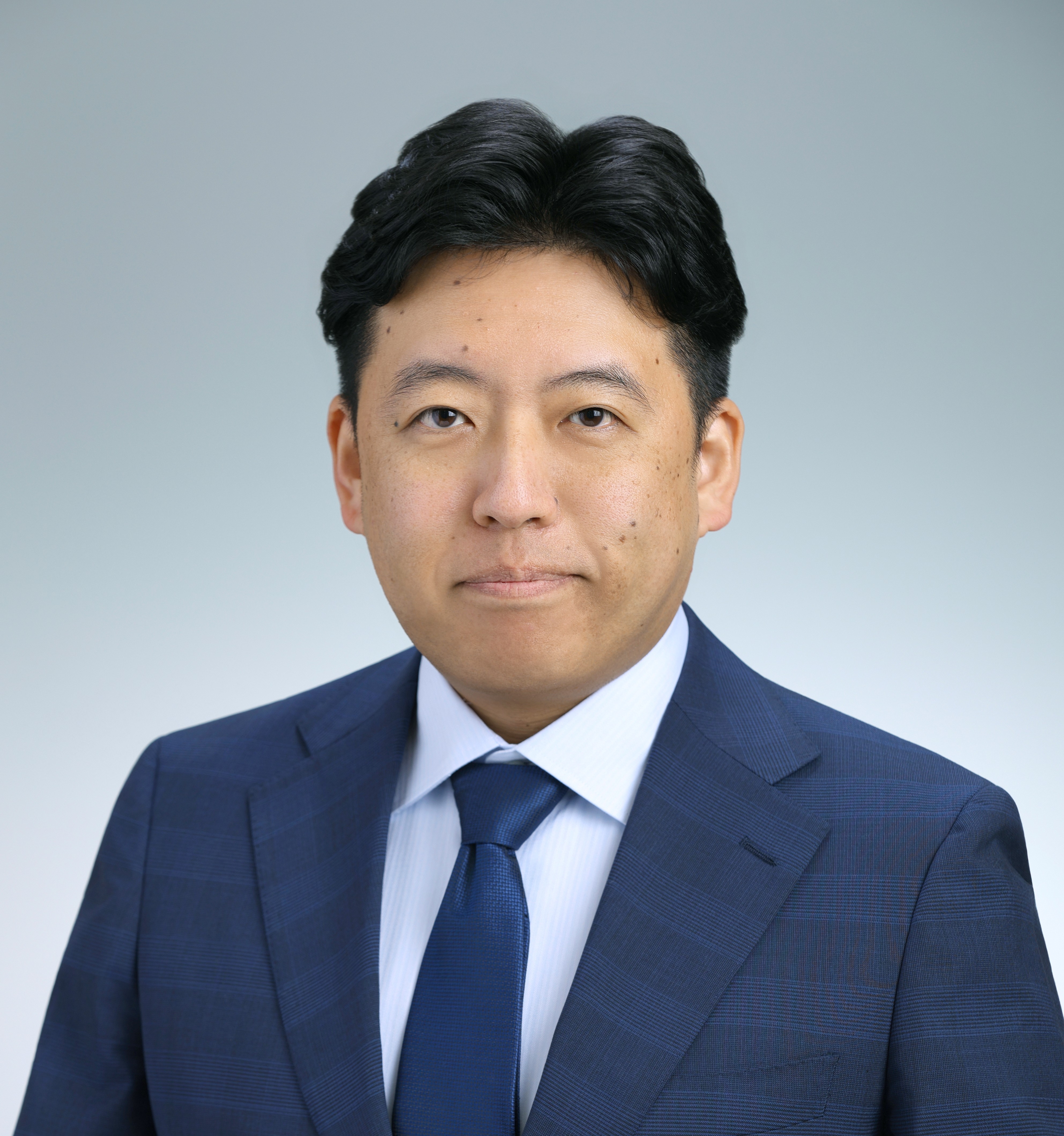
Prof. Youhi Morii
Tohoku University
Recent progress in predicting engine knock from the ignition-flame relationship
Knock limits the compression ratio, and hence the thermal efficiency, of spark-ignition engines. Conventional measures such as the octane number are relative and empirical, while integral methods require assumptions of homogeneity, single-stage ignition and history independence.
Our theory of the explosive transition of deflagration approaches knock from a different direction, by asking where the limit of flame existence lies and under what condition the reaction turns explosive, conditions governed mainly by temperature. Building on this theory, a hierarchy of systems, from a practical engine through a constant-volume chamber to one-dimensional direct numerical simulation, is connected by the pressure-temperature history of the end gas, reducing the engine to lower-dimensional systems from first principles so that the theoretical picture can be tested directly against engine conditions.
Recent progress and the outlook for predicting knock onset are discussed.
Youhi Morii is an Associate Professor at the Institute of Fluid Science, Tohoku University. He received his Ph.D. from the Graduate University for Advanced Studies (SOKENDAI) in 2012, and worked at the Japan Aerospace Exploration Agency and Waseda University before joining Tohoku University in 2018.
His research combines large-scale simulation with reaction-wave theory to describe autoignitive waves spanning deflagration, spontaneous propagation and detonation, with applications to engine knock and supersonic combustion. He received the Young Researcher Award of The Combustion Society of Japan in 2023 for theoretical and numerical work on the explosive transition of deflagration, and the JAXA President's and Director's Awards in 2014 and 2016.
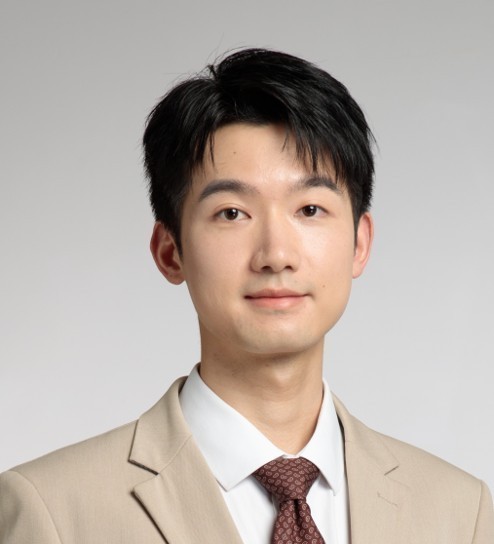
Mr. Chengyu Wu
Rankyee Technology
Towards Physical AI for Multi-Regime Combustion: High-Fidelity Simulation Datasets, Neural FGM, and Engineering Applications
High-fidelity simulation is a key enabler of Physical AI for multi-regime combustion, yet industrial-scale dataset generation remains constrained by computational cost.
Rankyee addresses this challenge with DIMAXER, which integrates high-order Space-Time Expansion of Kinetic Energy Preserving Flux Reconstruction (STE-KEP-FR) with GPU computing and compressible flamelet-generated manifold (FGM) modeling. An oscillation-free formulation suppresses spurious numerical oscillations in compressible variable-density flows, while multi-dimensional FGM incorporates heat loss and multi-stream mixing. Neural FGM replaces high-dimensional table lookup with neural approximations of flamelet-based thermochemical mappings, reducing storage requirements as manifold dimensionality increases.
Case studies include Full-Annulus Combustor, Coupled Full-Engine Simulation, and Reusable Heavy-Lift Launch Vehicle Simulation. The full-annulus FGM large-eddy simulation (LES) uses 2 billion solution points on 15 RTX Pro 6000 GPUs, while the reusable launch vehicle simulation reaches 10 billion solution points. KJ66 Combustion Simulation further demonstrates a 400-million-point LES on eight consumer-grade RTX 4090D GPUs.
These results demonstrate the computational feasibility of engineering-scale data generation. Rankyee outlines a path toward scalable production of spatially and temporally resolved flow and thermochemical data through workflows assisted by large language models and cloud computing, supporting combustion AI and digital twins.
Chengyu Wu is a CFD Application Engineer at Rankyee Technology, specializing in combustion simulation and GPU-accelerated high-fidelity modeling.
Rankyee Technology develops GPU-accelerated high-fidelity CFD software for Physical AI. Its flagship product, DIMAXER, is built on the proprietary Space-Time Expansion Kinetic Energy Preserving Flux Reconstruction (STE-KEP-FR) framework, enabling high-order, energy-stable simulations of unsteady compressible flows on consumer-grade GPUs.
In the combustion domain, Rankyee has developed a compressible FGM (Flamelet Generated Manifold) suite featuring oscillation-free numerics and multi-dimensional tabulation, further accelerated by neural network surrogates (Neural FGM).
Building on these capabilities, Rankyee has demonstrated billion-point, time-accurate combustion LES across a broad range of flow regimes — including full-annular gas turbine combustors, reusable launch vehicle nozzle exhaust, coupled full-engine configurations, and large-scale industrial furnaces — at a fraction of conventional supercomputing costs, providing scalable full-field data for Physical AI training and industrial design optimization.
Prof. Gang Wu
Shanghai Maritime University
Recent progress in the promotion of marine alternative fuel and engine technologies
Driven by the urgent need for maritime decarbonization, the exploration of zero- and low-carbon marine alternative fuels has become a focal point of global research. This lecture presents the recent advancements in marine alternative fuel and engine technologies, focusing on the fundamental combustion science and applied engineering innovations.
The talk will detail the transition pathways toward fuels such as biofuels, methanol, and ammonia in the maritime sector. Special attention will be given to the latest breakthroughs in the development of large ship engines, including advanced injection strategies, new design concepts for nozzle holes, the application of dedicated lubricant and fuel additives, as well as in-cylinder emission control technologies.
Ultimately, the lecture will summarize the current technological readiness and future research directions for developing highly efficient and clean marine power systems.
Prof. Gang Wu is an Associate Professor at Shanghai Maritime University, where he leads key initiatives in sustainable shipping. He serves as the Director of the Green Power Research Division at the International Research Center for Future Marine Technology and heads the Ship Power Department at the Merchant Marine College.
Dedicated to maritime decarbonization, his research centers on alternative marine fuel combustion and the operation and maintenance of low-speed marine engines. By bridging fundamental combustion science with applied engineering, Dr. Wu's work provides deep insights into the viability and application potential of biofuels, methanol, and ammonia for the future of green shipping.

Dr. George Xu
A*STAR IAIC
Modeling & simulation of battery-related thermal management and fire risks using CFD
Effective thermal management and mitigation of fire risks associated with unexpected thermal runaway are critical to the safe and reliable deployment of lithium-ion batteries. This talk presents our recent research on computational fluid dynamics (CFD)-based modeling and simulation (M&S) of battery thermal management, thermal runaway, and fire dynamics, with particular emphasis on validating the underlying methodologies. Case studies include the thermal performance of a 48-cell battery pack, thermal runaway behavior in an 8-cell nickel manganese cobalt (NMC) battery pack, and an electric vehicle fire in a tunnel. These studies demonstrate how validated M&S tools can provide insights into heat transfer, thermal runaway propagation, and fire development. By enabling systematic evaluation of battery configurations, cooling strategies, and fire scenarios, these tools can support battery performance improvements, guide thermal management design, and assess the fire safety conditions arising from battery incidents, informing risk mitigation and emergency response planning.
Dr. George Xu (Xu Xiangguo) is a Senior Principal Scientist and Group Lead in the Sustainability Directorate at A*STAR’s Institute of Advanced Intelligence and Computing (IAIC), Singapore. He holds a PhD in Mechanical Engineering from the National University of Singapore and brings around three decades of experience in experimental studies, computational fluid dynamics (CFD), and engineering applications. His work combines the development of computational methods with practical applications in heat transfer, ventilation, and fire and smoke propagation. During six years in engineering consultancy, he worked closely with multidisciplinary teams on thermal performance and fire safety assessments for buildings, rail infrastructure, and tunnels. His research interests centre on translating scientific advances into practical solutions that enhance the liveability and sustainability of Singapore’s urban and built environments.
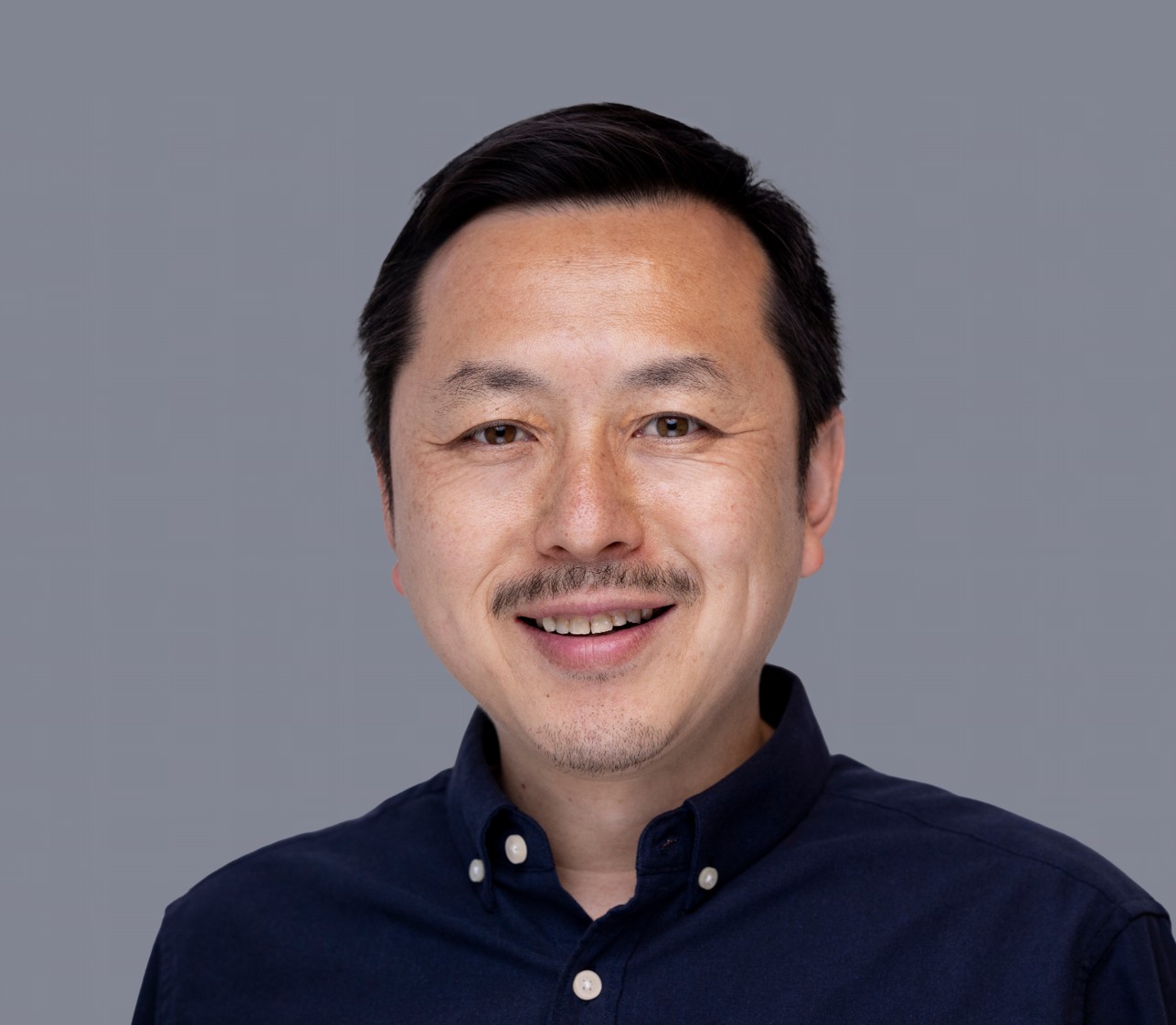
Dr. Stone Zhang
Amogy
Integrated ammonia-to-power system enabled by advanced ammonia cracking technology
Ammonia is emerging as a carbon-free energy carrier that is easier to store and transport than hydrogen, but turning it into reliable power at scale requires efficient, compact conversion technology. This presentation introduces Amogy, a company developing ammonia-to-power systems that decarbonize stationary, maritime, and heavy industries.
The presentation will describe Amogy's proprietary catalyst technology for ammonia conversion and show how it is integrated into a complete ammonia-to-power system, from ammonia feed through conversion to electricity generation. Will then present several application examples showing how the approach can be deployed across different power and industrial use cases. The talk concludes with perspectives on how ammonia-based power can support the transition to low-carbon energy systems.
Dr. Stone Zhang is the VP of Business Development at Amogy, where he leads business development and commercial operations in APAC. Stone had 10+ years of regional and global executive experience at DNV across the energy and maritime value chains. Right before Amogy, he also spent 5+ years in cross-border venture capital investing in deep-tech sectors between the Americas and Asia. Stone holds a PhD in Marine and Offshore Engineering from Harbin Engineering University (China) and an Executive MBA from Rice University (USA).
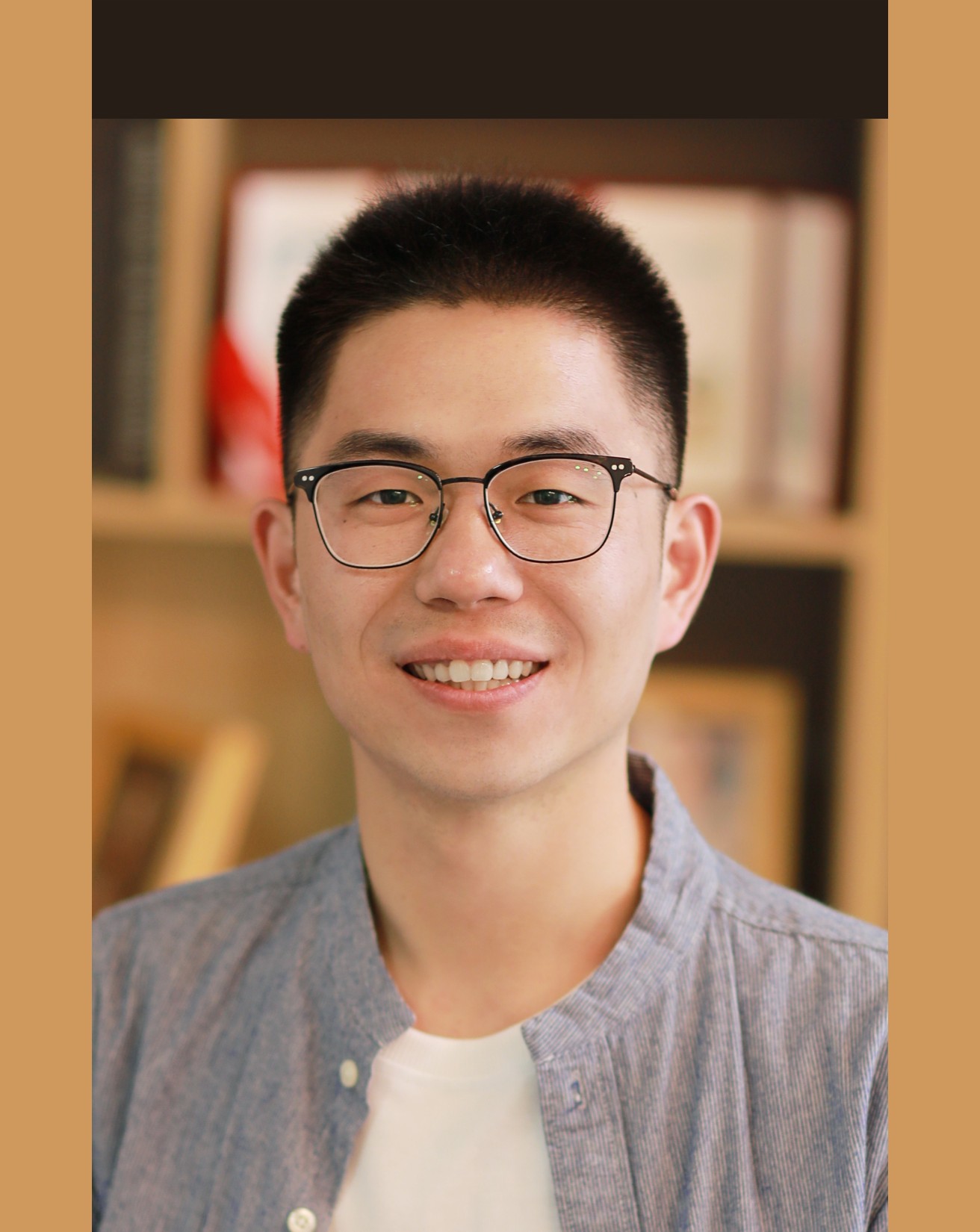
Dr. Xinyi Zhou
National University of Singapore
Ammonia engine development for maritime decarbonization
Using carbon-free ammonia as a fuel is considered as a potential pathway for maritime decarbonization. Beyond concerns over future supply of green ammonia, whether ammonia engines themselves can deliver high efficiency and low emissions remains a central question. This presentation summarizes the recent development of marine ammonia engines, including the performance and emissions of different engine categories and combustion modes. It then shares technologies applicable to four-stroke medium-/high-speed engines and two-stroke low-speed engines, respectively. Finally, it discusses the potential of combustion similarity theory and scaled-model experiments to support the intensive development of ammonia engines.
Dr. Xinyi Zhou is currently a Senior Research Fellow at the National University of Singapore (NUS). He received his PhD from Shanghai Jiao Tong University (SJTU) in 2022. His research focuses on marine engine combustion and scaled-model experiments, with a recent emphasis on ammonia fuel marine engines. He serves as PI or Chief Scientist for several research projects in China and Singapore. His works on ammonia engine have been published as the first author in journals such as Joule and Nature Communications. He has received the SJTU Academic Star award and been selected for the Shanghai Rising-Star Program. He has been included in the world's top 2% scientists list and serves as a Young Editorial Board Member of Engineering.
More invited speakers to be announced.
Sponsors
 View Sponsor Information (PDF)
Registration is Now Open!
Registration Fee: SGD 120 for SSCI members and SGD 150 for non-members.
Click the button below to complete your registration and payment.
Submission Guidelines
Authors are invited to submit a one page extended abstract with 1-2 figures included to the official SSCI email. In your submission email, please indicate your preference for an oral or poster presentation.
Download Abstract Template (Docx)
Abstract Submission Deadline Extended
In response to the requests from SSCI members, the abstract submission deadline has been extended.
- Extended abstract submission deadline: 11:59 PM (SGT), 25 October 2026
- Poster submission deadline (for accepted abstracts): 11:59 PM (SGT), 8 November 2026
- Submit to: ssci.combustion@gmail.com
Organizers:
Prof. Huangwei Zhang (NUS)
Dr. Yichen Zong (CARES)
Dr. Wai Lee Chan (SUTD)
Secretaries:
Dr. Tong Su (CARES)
Dr. Victor Lafaurie (CARES)